

Leisure Energy Insight: New Net Zero Guide Shows Leisure Operators How to Slash Bills and Carbon
As energy costs continue to squeeze operational budgets and environmental reporting becomes business-critical, the swimming and fitness sector now has a powerful new resource to drive bottom-line savings while accelerating decarbonisation. The Midlands Net Zero Hub (Supporting the Decarbonisation of Public Leisure Centres), in partnership with UK Active, Sport England and funded by the Department for Energy Security and Net Zero, has published a comprehensive guide to support the decarbonisation of public leisure centres, with technical data commissioned through Leisure Energy. This toolkit delivers a practical, step-by-step roadmap that helps operators cut energy waste, reduce carbon emissions and unlock funding for retrofit projects.
Why it matters to the Leisure Sector
Leisure facilities, particularly those with swimming pools, are among the most energy intensive buildings in local authority estates. Maintaining pool temperatures, heating spaces and powering large plant systems demands substantial energy, often accounting for a major share of operating costs and carbon footprint. With rising energy prices and tightening Net Zero expectations ahead of 2030 and 2050 targets, leisure operators are under pressure to innovate. The new Net Zero guide simplifies what can be an overwhelming challenge into a clear four phase, ten step model. It supports both inhouse operators and outsourced management models, making it relevant to councils, trusts and commercial operators alike.
A practical framework for action
The strength of the guide lies in its practicality:
Baseline & assessment: Guidance starts with robust data analysis, gathering at least two years of energy usage and plant performance data to benchmark and identify cost-effective improvements.
Quick-win efficiency measures: The guide highlights interventions that can deliver rapid savings, such as LED lighting upgrades, improved controls and insulation – measures that often pay for themselves in a few years.
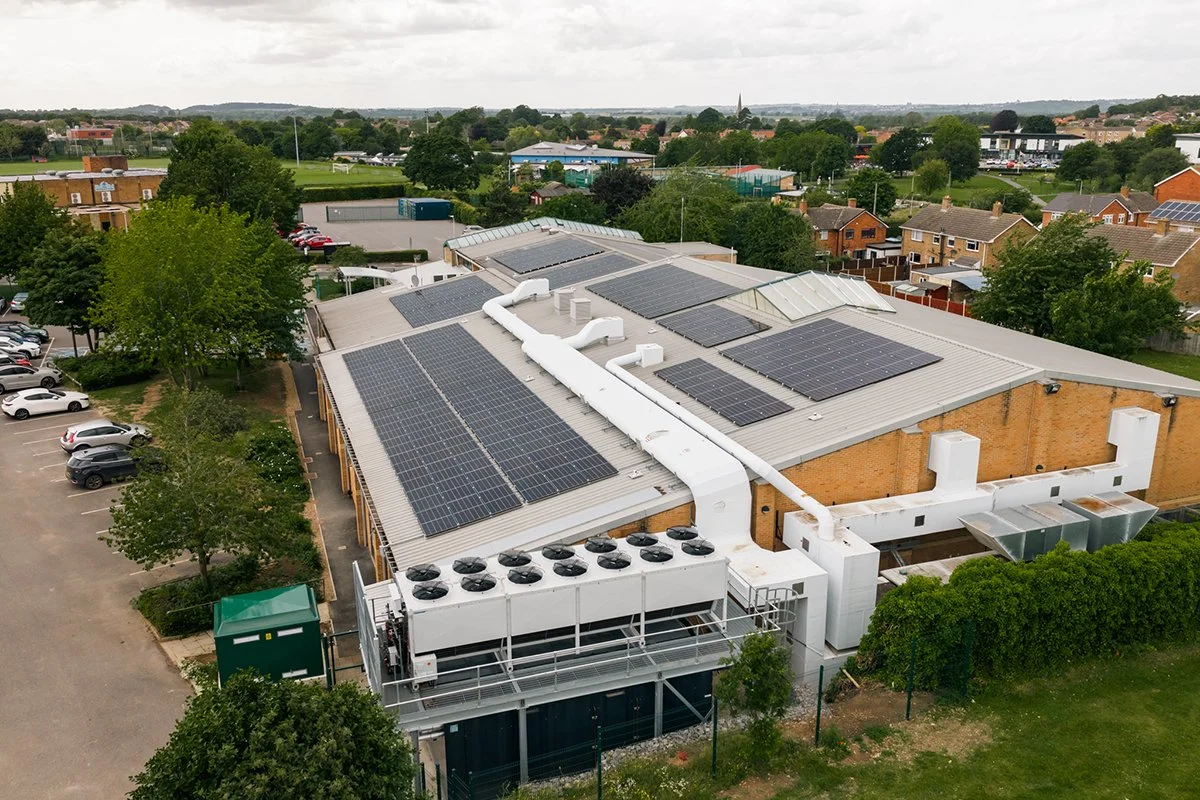
Strategic planning & funding: Longer-term actions such as heat pump installation, solar PV, fabric upgrades and building management systems are broken down into phases supported by real case studies and cost-benefit insights.
Business case development: The toolkit doesn’t just list technologies, it helps operators build credible investment plans and explore blended funding models, including public grants, prudential borrowing and local net zero funds.
Real world examples from six leisure centres across the Midlands demonstrate achievable carbon reductions and financial returns, illustrating how retrofit projects can improve both sustainability and financial resilience.
More than technology: Operation culture counts
A key insight is that decarbonisation is as much about behaviour and systems as it is about equipment. Capacities such as staff training, optimisation of controls and embedding energy management into daily operations are featured as part of lasting success, ensuring that investments continue to deliver long after installation.
Benefits for operators & members
For operational managers and directors across the swimming and fitness industry, adopting this structured decarbonisation approach can help:
Reduce energy bills and overheads, freeing up funds for core services
Strengthen business cases for investment and attract funding
Lower carbon footprints in line with local and national targets
Enhance facility performance and resilience
Demonstrate leadership in sustainability to members and stakeholders
This toolkit represents a significant step forward in making decarbonisation accessible and achievable for leisure operators. With financial pressures unlikely to ease soon, embedding energy-smart practices and technologies is essential, not just for Net Zero, but for long-term competitiveness and community value.
To find out more visit: Supporting the Decarbonisation of Public Leisure Centres