

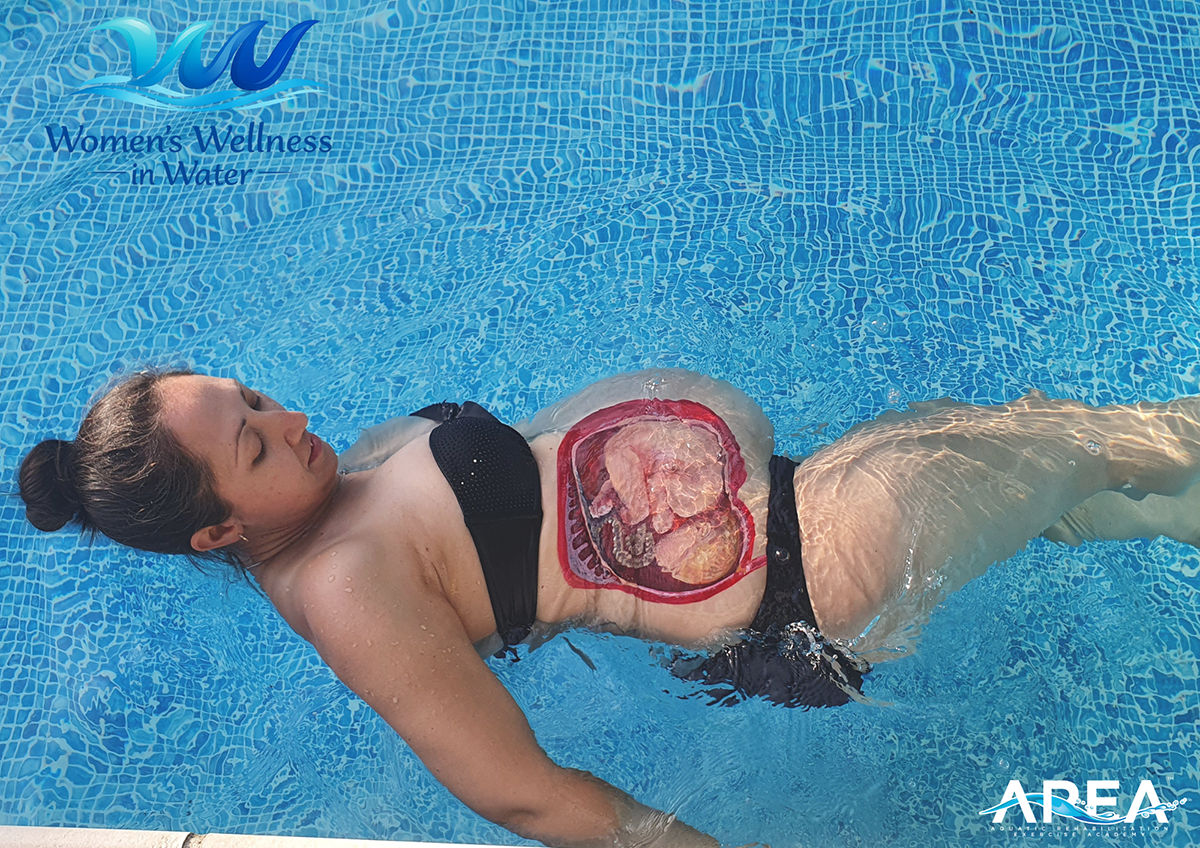
Women’s Wellness in Water™:
A growing focus for leisure facilities
1 in 3 women. 1 in 10 men. Pelvic floor dysfunction is far more common than many realise – yet it continues to be overlooked within mainstream fitness establishments.
Leisure facilities are increasingly being challenged to evolve beyond traditional fitness offerings and respond to the diverse and changing needs of their communities – particularly during key life stages such as pregnancy, postnatal recovery and the menopause, as well as the management of pelvic floor dysfunction. Notably, many of those already engaging in aquatic exercise – often within traditional ‘aqua aerobics’ classes – are women of a certain age who may be experiencing these challenges, yet programmes are rarely designed with their specific needs in mind.
Despite growing awareness, many women still face barriers to exercise. Concerns around safety, confidence, and a lack of appropriate provision can prevent engagement or long-term adherence. Pelvic health issues, in particular, can limit participation if not properly understood and supported within a fitness setting.
Aquatic environments offer a valuable yet often underutilised solution.
Water-based exercise provides unique benefits that make it particularly suitable for women requiring a more supported approach. The buoyancy of water reduces impact on joints and the pelvic floor, while natural resistance supports strength development without excessive strain. Hydrostatic pressure can also assist circulation and proprioception, creating a safe and effective environment for movement. For many women, this setting enables a return to exercise that may feel inaccessible on land.
As a result, there is growing recognition of the role that structured aquatic programmes can play in supporting women’s health across the lifespan.
The concept of Women’s Wellness in Water™ reflects this shift. Rather than offering general aqua classes, it promotes a more considered approach – one that integrates pre- and postnatal exercise, pelvic floor awareness, and progressive, stage-appropriate programming. The aim is to move beyond participation alone and towards meaningful, functional outcomes that support long-term wellbeing.
However, delivering this level of provision requires more than access to a pool. A key challenge for operators is ensuring that instructors have the appropriate knowledge and confidence. Many professionals are highly skilled in delivering group exercise but may not have specific training in areas such as postnatal recovery, menopause considerations, pelvic health, or how to adapt sessions for women experiencing dysfunction or discomfort.
Without this expertise, opportunities to engage a significant demographic can be missed.
To address this, some facilities are beginning to invest in specialist training and programme development. Organisations such as AREA (Aquatic Rehabilitation & Exercise Academy) are working within the sector to support this progression, offering education and frameworks that help bridge the gap between fitness, rehabilitation, and women’s health. This approach enables centres to build internal capability while aligning their services with broader health and wellbeing priorities.
For operators, the implications are clear. Expanding aquatic programming to better support women is not simply about adding new classes – it is about enhancing the relevance and accessibility of existing services. Facilities that take a proactive approach may see improvements in engagement, retention, and community impact, while also strengthening their position within an increasingly health-focused sector.
As the industry continues to adapt, Women’s Wellness in Water™ represents a timely opportunity. By recognising the specific needs of women and leveraging the unique benefits of aquatic environments, leisure facilities can play a more meaningful role in supporting lifelong health and activity.